
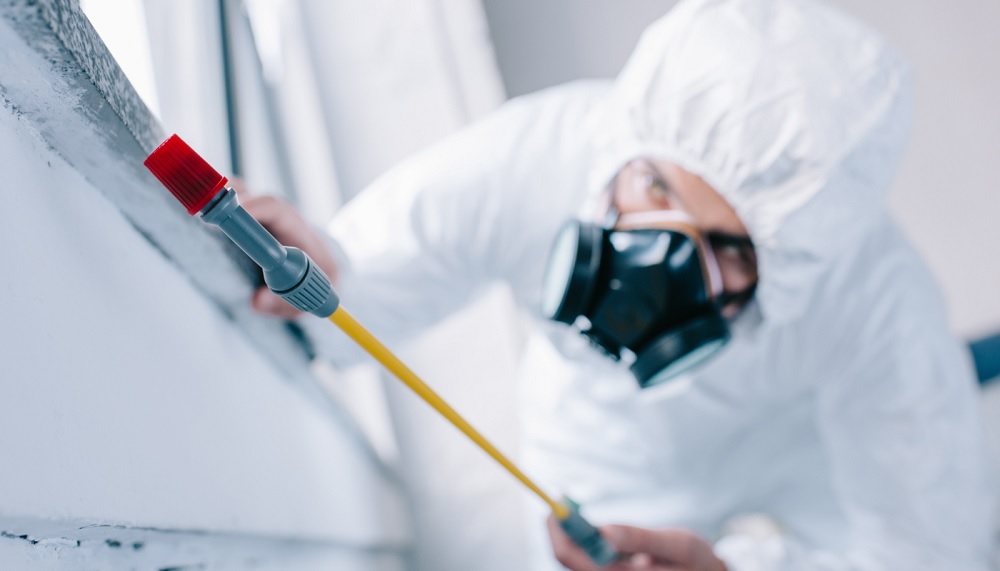
When pests invade your space, it’s more than just a nuisance—it’s a threat to your home, health, and peace of mind. Whether you’re a homeowner in the heart of Philadelphia or managing a property in Montgomery County, understanding your pest control options is crucial. In these bustling Pennsylvania regions, pest issues vary from termites eating away at historical buildings to rodents nesting in suburban garages.
This guide offers residents a comprehensive look into modern pest control strategies, helping you choose solutions that are safe, effective, and long-lasting. If you’re looking for trusted services in the area, providers like pest control Philadelphia offer expert insights tailored to urban homes.
🐜 Understanding the Local Pest Landscape
Pests differ based on geography, and Pennsylvania’s climate contributes to a wide array of seasonal invaders. Here’s what locals should expect:
Common Pests in Philadelphia
- Cockroaches: Found in older buildings and high-humidity environments, cockroaches are carriers of allergens and diseases. Regular cleaning alone isn’t enough; professional intervention is often required.
- Termites: Historic row houses are particularly vulnerable. Termites work silently, and by the time signs appear, the damage could be severe.
- Rodents: The dense urban layout allows rats and mice to move easily from one property to another. They chew wires, damage insulation, and contaminate food.
Pest Challenges in Montgomery County
- Ant Infestations: Suburban lawns and gardens are perfect breeding grounds for ants, which can infiltrate kitchens in search of food.
- Spotted Lanternflies: A growing problem in Montgomery County, these insects damage trees and crops and are hard to control without expertise.
- Stinging Insects: Wasps and hornets often build nests near homes, posing a threat especially to families with children or allergies.
✅ Why Professional Pest Control is a Smarter Choice
DIY pest solutions may appear cheaper, but they rarely tackle the root of the problem. Here’s why engaging experts is more effective:
- Targeted Treatments
Professionals conduct detailed inspections and identify the exact pest species. This allows them to choose the right treatment and avoid unnecessary pesticide use.
- Long-Term Solutions
Rather than offering a quick fix, professional pest control services focus on eliminating breeding grounds and sealing entry points to prevent recurrence.
- Safe and Eco-Friendly Methods
Modern pest control companies use low-toxicity, eco-conscious treatments that are safe for children and pets—especially important for urban families or homes with gardens.
- Integrated Pest Management (IPM)
IPM is a strategic approach that combines biological, mechanical, and chemical tactics. It reduces the pest population with minimal environmental impact.
- Regulatory Compliance
Certified providers adhere to local and federal pest control regulations. This is particularly essential for businesses and landlords.
🔍 Choosing a Pest Control Provider: What to Look For
Finding the right pest control service in Montgomery County doesn’t need to be overwhelming. Here are important considerations:
- Licensed & Insured Technicians: Make sure the company is fully certified and insured to protect your property and rights.
- Customised Plans: Each home has unique vulnerabilities. Look for companies that offer tailored service plans rather than one-size-fits-all packages.
- Transparent Pricing: Avoid surprises by choosing services that provide detailed, up-front estimates without hidden costs.
- Local Reputation: Companies with strong local ties often offer better customer service. Those experienced in pest control Montgomery County know the specific pest problems that affect suburban homes.
- Ongoing Support: Choose providers who offer follow-up inspections or maintenance programs for long-term results.
🔄 Pest Prevention Tips You Can Start Today
Before pests strike, take steps to reduce your home’s appeal to unwanted guests:
🏠 Indoors
- Seal Entry Points: Check window seals, foundation cracks, and utility entryways. Even tiny gaps can let pests in.
- Declutter Storage Areas: Rodents and spiders love undisturbed spaces. Store items in airtight bins instead of cardboard boxes.
- Fix Leaks: Pests seek water sources. Repair leaky taps and pipes promptly.
🌿 Outdoors
- Maintain Landscaping: Keep shrubs trimmed and away from walls. Overhanging branches can act as bridges for pests.
- Remove Standing Water: Empty birdbaths, plant saucers, or other items that collect water—mosquitoes breed fast.
- Secure Bins: Rubbish and recycling bins should be sealed tightly to prevent attracting rodents and flies.
🔧 How To: Prepare Your Home for a Pest Control Visit
A successful treatment requires some groundwork from your side. Follow these steps:
Step-by-Step Preparation Guide
- Communicate with Your Provider
Discuss the treatment plan, areas to be treated, and any safety precautions required for pets or children. - Declutter the Treatment Zones
Move furniture, boxes, or stored goods away from walls to give technicians easy access to pest hotspots. - Clean Thoroughly
Vacuum floors, wipe down surfaces, and empty bins. This removes food sources and helps the treatment work faster. - Seal Pet Food and Remove Dishes
Store all pet food in sealed containers and remove bowls during the treatment window. - Vacate the Premises if Required
Some treatments may require you to leave your home temporarily. Follow your technician’s advice carefully.
📌 Final Thoughts
Whether you’re facing termite damage in Philadelphia’s historical districts or dealing with ant invasions in Montgomery County’s peaceful suburbs, proactive pest management is essential. Investing in expert pest control not only protects your home but also ensures your family’s health and safety.
Trusted providers like pest control Philadelphia and their counterparts in Montgomery County bring both local knowledge and advanced pest management tools, making them invaluable partners in keeping your property pest-free.
📚 FAQ: Pest Control for Homeowners
Q1: How often should I schedule pest control services?
Most homes benefit from quarterly treatments, though high-risk areas might require monthly visits during peak seasons.
Q2: Are pest control treatments safe for pets and children?
Yes. Modern treatments use safe, low-toxicity products, but always follow your provider’s specific instructions during and after treatment.
Q3: Can I stay in my house during pest control treatments?
For many treatments, it’s safe to stay at home. However, for more intensive procedures, temporary evacuation may be advised.
Q4: What signs should I look for in a termite infestation?
Common indicators include hollow-sounding wood, mud tubes on walls, and discarded wings near windows or doors.
Q5: Do pest control companies guarantee their services?
Reputable providers offer warranties or follow-up visits as part of their service guarantee. Always ask about post-treatment support.
Q6: Can I prevent pests without professional help?
While you can take preventative steps, professional assessments and treatments are more thorough and long-lasting.
