
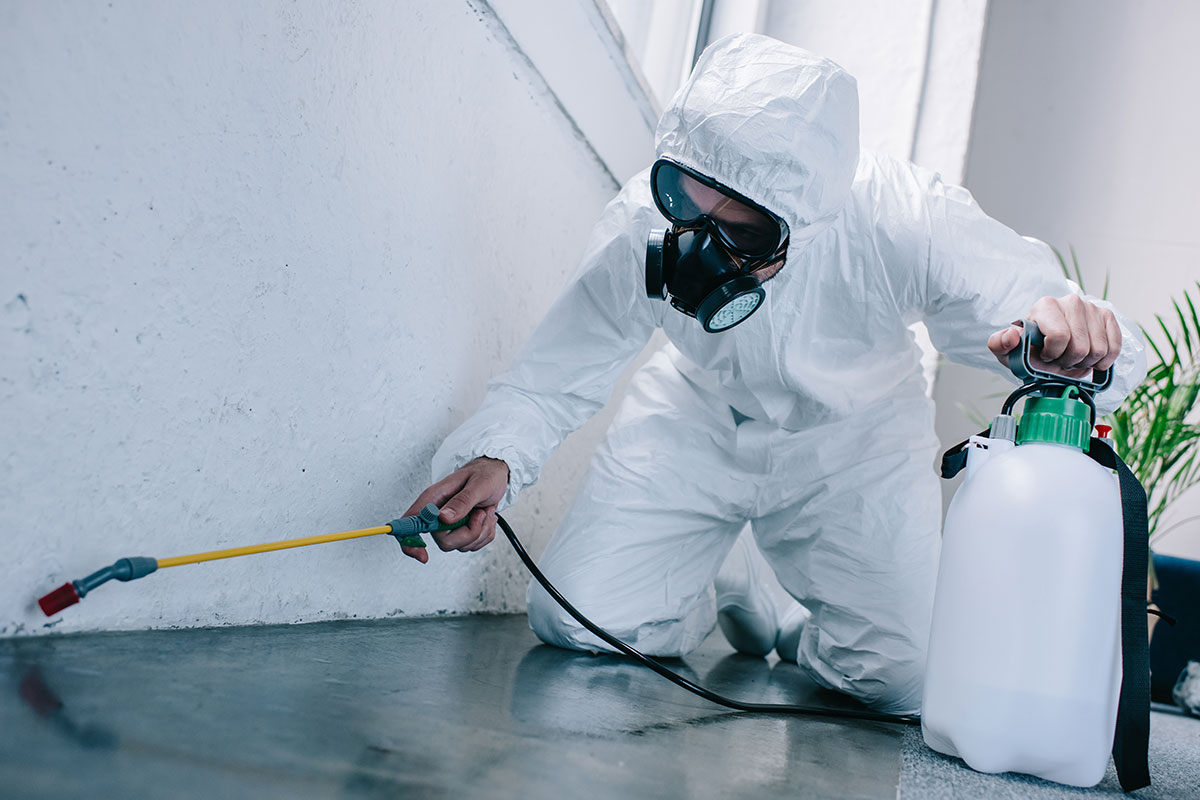
The field of Pest Control plays a crucial role in safeguarding homes, public spaces, and commercial environments. Early detection and prevention help protect property, reduce health risks, and maintain long term safety. Because infestations can escalate quickly, understanding the science behind pest behavior and implementing a thorough management strategy can make the difference between minor inconvenience and costly damage. The concept of Pest Control becomes even more important as climate patterns shift, creating conditions that allow certain pests to thrive in regions where they were once uncommon.
Why Pest Management Matters
Pest management is more than eliminating unwanted insects or rodents. It involves identifying the source, understanding environmental conditions, and implementing measures that minimize future risks. When pests disrupt homes or businesses, the consequences often extend beyond property damage. Infestations can affect indoor air quality, food safety, structural stability, and even mental health. This is why a strategic, evidence based approach is vital.
The Hidden Costs of Infestations
Infestations often begin silently. Small populations of pests can remain hidden behind walls, beneath flooring, or within stored items. Over time, these populations expand, creating widespread issues.
Common hidden costs include:
- Structural damage due to wood destroying organisms
- Food contamination that leads to spoilage or illness
- Medical issues triggered by pest allergens
- Electrical damage from gnawing or nesting behavior
- Professional cleanup and restoration requirements
Addressing these problems early preserves the safety of the environment and reduces long term expenses.
Understanding Pest Behavior
Effective pest management requires a deep understanding of how pests live, reproduce, and interact with their surroundings. Each pest species has unique preferences, vulnerabilities, and behavioral patterns.
Species Specific Behavior
Different pests respond to different environmental triggers.
For example:
- Ants follow scent trails and target food rich environments
- Rodents seek warmth and nesting materials
- Termites feed on cellulose and thrive in moist conditions
- Cockroaches prefer dark, humid areas with abundant food sources
- Bedbugs rely on human hosts and hide in crevices near sleeping spaces
Identifying these behavioral patterns helps determine where pests are likely to enter and how infestations spread within structures.
Environmental Factors
External and internal environmental factors influence pest activity. Seasonal changes, humidity, construction layouts, and sanitation practices can all determine pest populations. By evaluating these variables, homeowners and professionals can anticipate risks and build targeted prevention plans.
Common Pests Found in Homes and Businesses
Different pests create different problems. Understanding these species helps identify warning signs and implement effective treatment strategies.
Rodents
Rodents pose threats due to their rapid reproduction and destructive habits. They contaminate food, damage electrical wiring, and carry pathogens. Early detection usually involves listening for noises in walls, inspecting nesting materials, and checking for droppings.
Termites
Termites cause billions of dollars in structural damage annually. Known as silent destroyers, they feed on wood and often remain unnoticed until significant harm occurs. Clues include mud tubes, bubbling paint, hollow sounding wood, and discarded wings.
Cockroaches
Cockroaches thrive in warm, humid spaces. They spread bacteria, trigger asthma symptoms, and contaminate surfaces. Spotting them during the day often suggests a large infestation.
Ants
Ant colonies grow quickly and may invade food storage areas. Some species, like carpenter ants, can also damage wood structures. Observing trails or small piles of sawdust often signals activity.
Bedbugs
Bedbugs spread rapidly in multiunit buildings and cause itchy bites. They hide in furniture seams, mattress edges, and small cracks. These pests require thorough treatment strategies for successful elimination.
Integrated Pest Management
Integrated Pest Management (IPM) is a comprehensive strategy that focuses on prevention, monitoring, and targeted intervention. Unlike simple reaction based approaches, IPM considers environmental factors, pest biology, and long term solutions.
The Core Principles of IPM
IPM is built on science based practices that emphasize safety and sustainability. Key components include:
- Inspection of affected areas to identify pest type and population size
- Monitoring activity levels over time
- Identifying conditions that encourage pest growth
- Implementing preventive measures that reduce pest access
- Using targeted treatments only when necessary
This method reduces unnecessary exposure to chemicals and maintains long term control.
Prevention as the Foundation
Preventive measures are essential for successful pest management.
Important preventive actions include:
- Sealing gaps and entry points
- Maintaining proper sanitation
- Eliminating moisture sources
- Storing food in airtight containers
- Reducing clutter that provides hiding places
A strong prevention plan decreases the likelihood of large infestations.
Health Risks Linked to Pests
Pests pose serious health risks that affect individuals and communities. These risks can arise from direct contact, bites, droppings, or airborne particles.
Disease Transmission
Rodents, mosquitoes, and ticks are known vectors for harmful diseases. Even indoor pests like cockroaches can carry bacteria on their bodies. Handling these risks requires strict sanitation practices, proper food handling, and consistent monitoring.
Allergies and Respiratory Issues
Allergens from pests can aggravate respiratory conditions. Cockroach droppings, rodent dander, and dust from nesting materials often circulate through air vents, affecting indoor air quality. Sensitive individuals may experience symptoms such as wheezing, coughing, and skin irritation.
Techniques for Effective Control
Different pests require different strategies. A successful approach blends physical, biological, mechanical, and chemical methods.
Physical and Mechanical Methods
These approaches remove pests or block their access without altering the environment significantly.
Examples include:
- Installing screens on vents and windows
- Using traps for rodents or insects
- Vacuuming egg clusters or visible insects
- Removing infested items
- Blocking access points with durable materials
These methods form the backbone of a practical, low impact control system.
Environmental Adjustments
Since pests thrive in certain conditions, adjusting the environment helps suppress their growth.
Helpful adjustments include:
- Reducing humidity in basements and crawl spaces
- Improving ventilation for damp areas
- Repairing leaks promptly
- Organizing stored items on shelves rather than floors
These changes limit breeding conditions and reduce pest survival rates.
Targeted Treatments
When necessary, targeted treatments help remove pests quickly and safely. The goal is precision based application that minimizes risk and maximizes effectiveness. Professional guidance is often required for extensive infestations, particularly those involving termites or bedbugs.
Seasonal Variations in Pest Activity
Pest populations change with the seasons. Understanding seasonal patterns helps households prepare in advance.
Spring
Many pests become active during spring. Ants, termites, and stinging insects begin searching for new spaces to build colonies.
Summer
Warm weather accelerates pest reproduction. Mosquitoes, flies, and pantry pests thrive during this period.
Fall
Rodents and insects begin seeking warmth indoors. Sealing homes during early fall is critical.
Winter
Some pests remain active even in cold weather. Rodents, cockroaches, and certain beetles continue to invade homes.
Long Term Pest Prevention Strategies
Long term prevention requires continuous attention and adaptation. Pest pressure may change due to weather, construction, or landscaping changes.
Outdoor Maintenance
Proper exterior maintenance creates a protective barrier.
Important steps include:
- Trimming vegetation away from structures
- Cleaning gutters to prevent moisture buildup
- Maintaining proper soil grading to direct water flow
- Storing firewood away from walls
- Ensuring trash bins have tight fitting lids
These practices help reduce opportunities for pests to nest or enter the property.
Indoor Protective Measures
Strong indoor habits promote long term protection.
Helpful practices include:
- Regularly cleaning kitchens and food storage areas
- Inspecting attics and basements for signs of activity
- Repairing cracks or broken screens promptly
- Monitoring items brought indoors, especially used furniture
Consistency is key to sustaining a clean, pest free environment.
The Importance of Early Detection
Early detection can stop infestations before they escalate. Knowing the signs helps identify problems quickly.
Common indicators include:
- Droppings or debris in corners
- Unusual odors near hidden spaces
- Damaged wiring or gnaw marks
- Insect wings near windows
- Scratching sounds behind walls
Recognizing these signs saves time, money, and stress.
FAQ
How often should a home be inspected for pests?
Most households benefit from seasonal inspections that align with changes in pest activity. Homes in humid regions or wooded areas may require more frequent checks to prevent unexpected infestations.
What signs indicate a hidden pest problem?
Subtle clues such as unexplained stains, tiny holes in packaging, new cracks near baseboards, or unusual sounds in the evening often suggest hidden activity. These signs usually indicate the early stages of an infestation.
Can landscaping affect indoor pest levels?
Yes, landscaping significantly influences pest pressure. Overgrown shrubs, standing water, and mulch placed too close to the foundation can invite insects and rodents toward the home. Maintaining a clear perimeter helps reduce these risks.
Why do some pests return even after treatment?
Reinfestation usually occurs when underlying issues such as moisture, food availability, or structural gaps remain unaddressed. Long term control requires both treatment and environmental correction.
What steps help prevent pantry pests?
Storing food in airtight containers, cleaning shelves regularly, and checking for damaged packaging help deter pantry pests. Flour, rice, and grains should be inspected before storage to ensure no larvae are present.
