
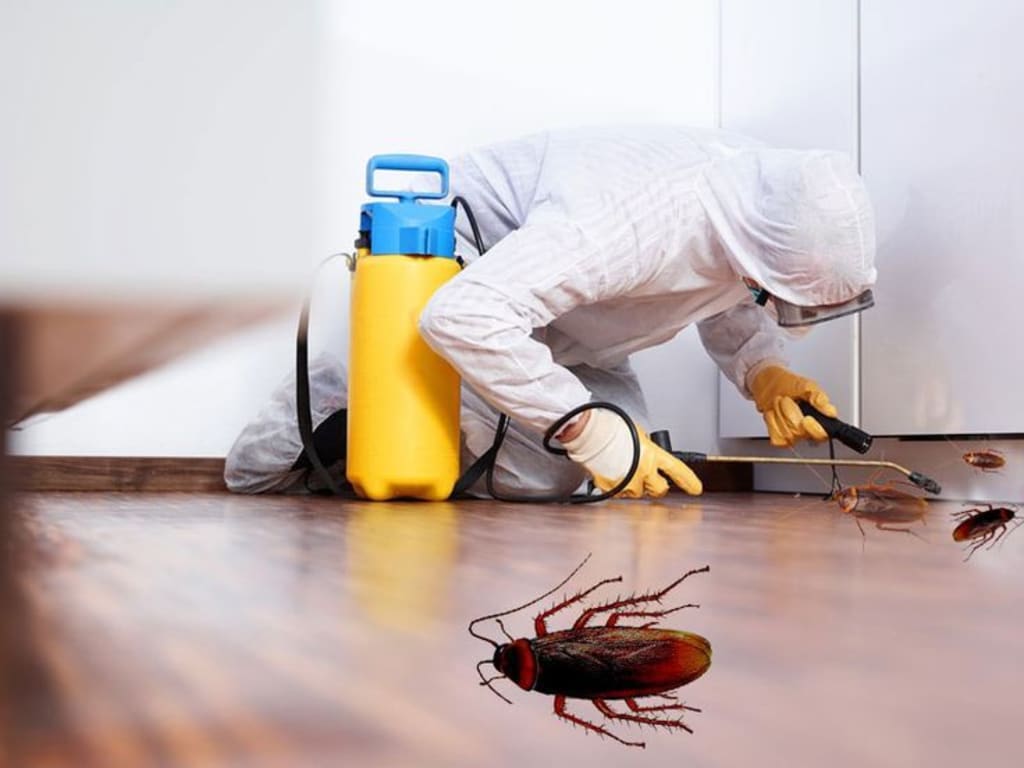
The presence of Pest Control Cockroaches in any building signals the need for immediate and targeted action. Cockroaches spread bacteria, trigger allergies, contaminate food, and create long term structural challenges when left unmanaged. These insects adapt quickly, thrive in a variety of environments, and reproduce at a rate that makes early intervention critical. The topic of Pest Control Cockroaches requires a detailed understanding of their biology, behavior, environmental triggers, and advanced removal strategies to ensure lasting protection.
Why Cockroach Control Is a High Priority
Cockroaches represent one of the most resilient pests in both residential and commercial environments. Their ability to hide in tight spaces, survive on minimal resources, and reproduce rapidly makes them especially difficult to eradicate. When even a small infestation is ignored, the population can multiply quickly, often leading to widespread contamination and health concerns.
The Health Risks Cockroaches Pose
Cockroaches are not just a nuisance; they are carriers of harmful pathogens. Their bodies and droppings often contain bacteria that spread through kitchens, bathrooms, and food handling areas.
Common health risks include:
- Spread of bacteria such as Salmonella and E. coli
- Triggering asthma symptoms through airborne allergens
- Skin reactions caused by contact with droppings or shed skin
- Contamination of food, utensils, and preparation surfaces
Children, seniors, and individuals with respiratory conditions are especially vulnerable to these health effects, which is why immediate control measures are essential.
Understanding Cockroach Species
Identifying the correct cockroach species is the first step in successful treatment. Each species behaves differently, prefers different environments, and requires specific techniques for effective management.
German Cockroaches
German cockroaches are the most common indoor species. They prefer warm, humid environments like kitchens and bathrooms. Their rapid reproduction rate makes them especially difficult to manage. Signs of activity include small droppings, musty odors, and spotting insects near sinks or appliances.
American Cockroaches
American cockroaches are larger and often found in basements, crawl spaces, and utility rooms. They can travel long distances through plumbing lines, making them frequent intruders in commercial buildings. These pests favor dark, damp areas and often appear near drains or storage zones.
Oriental Cockroaches
Oriental cockroaches prefer cooler environments and are frequently found in basements, garages, and outdoor areas near vegetation. They move slower than other species but carry a high risk of bacterial contamination due to their attraction to decaying organic matter.
Brown Banded Cockroaches
These cockroaches prefer dry areas and may hide in higher locations such as cabinets, closets, and behind wall décor. They thrive in warm spaces and often infest furniture or electronics.
How Cockroach Infestations Develop
Understanding how infestations begin helps prevent them from expanding into large, hard to manage populations. Cockroaches seek environments that provide food, moisture, warmth, and shelter.
Food Sources
Cockroaches can survive on a wide range of food sources. Leftover crumbs, unsealed pantry items, grease on appliances, pet food, and even paper products offer nourishment. Their ability to digest cellulose and organic waste allows them to survive in seemingly clean environments.
Moisture and Humidity
Moisture is one of the strongest attractants. Leaky pipes, damp basements, poorly ventilated bathrooms, and standing water under sinks often invite cockroaches indoors. Addressing moisture issues significantly reduces the chance of infestation.
Entry Points
Cockroaches often enter buildings through:
- Gaps in doors and windows
- Plumbing lines and drain openings
- Wall cracks and foundation breaches
- Grocery bags or cardboard boxes
- Freight or deliveries in commercial buildings
Once inside, they spread quickly and occupy hidden areas that provide long term survival.
Advanced Pest Control Strategies
Effective cockroach control requires more than surface level treatments. A strong management plan combines inspection, sanitation, exclusion, monitoring, and targeted application. Each step must be executed thoroughly to prevent reinfestation.
Inspection and Monitoring
A comprehensive inspection identifies the species, the extent of the infestation, and areas of highest activity. Monitoring tools help track population levels.
These tools include:
- Sticky traps placed near suspected entry points
- Flashlights to inspect behind appliances and under sinks
- Moisture meters to identify hidden damp areas
Monitoring enables precise treatment and helps determine whether the infestation is decreasing over time.
Sanitation and Environmental Adjustments
Cockroaches thrive in cluttered, unclean environments, but even minor sanitation issues can support a population.
Key sanitation steps include:
- Removing grease buildup behind stoves
- Cleaning under appliances and sinks
- Storing food in sealed containers
- Reducing clutter that creates hiding spots
- Vacuuming droppings and shed skin to reduce allergen levels
Improving sanitation disrupts food sources and makes the environment less attractive.
Exclusion Techniques
Exclusion prevents cockroaches from entering or relocating within the structure.
Effective exclusion involves:
- Sealing cracks with durable caulk
- Installing door sweeps to reduce gaps
- Covering vents with screens
- Repairing damaged weatherstripping
- Fixing leaking pipes to reduce moisture sources
By physically blocking entryways, future infestations become less likely.
Targeted Treatment Methods
Targeted applications are essential for eliminating active populations. Although necessary, treatments must be precise and based on species behavior.
Common targeted methods include:
- Gel baits placed near hotspots
- Growth regulators that interrupt reproduction
- Dust applications in wall voids
- Precision sprays for targeted cracks and crevices
These methods focus on direct elimination while minimizing disruption to the environment.
Cockroach Reproduction and Its Impact on Control
Cockroaches reproduce rapidly, making population control challenging. A single female German cockroach can produce thousands of offspring in one year. Understanding their reproduction cycle helps determine how aggressively treatment should be implemented.
Egg Cases and Nymph Development
Cockroach egg cases contain multiple eggs and are extremely resilient. Even after treatment, hidden egg cases may survive. Nymphs hatch quickly and begin feeding immediately, which allows populations to rebound if the environment remains favorable.
Generational Overlap
Cockroach generations overlap, meaning adults, nymphs, and eggs exist simultaneously. This requires several treatment phases to ensure every stage is addressed. A single application rarely resolves the issue.
High Risk Areas for Cockroach Activity
Cockroaches concentrate in areas with optimal conditions. Identifying these zones helps determine where to focus inspection and treatment.
Kitchens
Kitchens provide consistent food sources.
Common hotspots include:
- Behind refrigerators
- Under stoves and dishwashers
- Inside pantry shelves
- Under sinks near plumbing
- Inside microwave venting areas
Bathrooms
Bathrooms offer humidity and moisture.
High risk areas include:
- Behind toilets
- Under sinks
- Inside cabinets
- Near drains
Basements and Utility Areas
Cool, dark spaces often attract large species like American or Oriental cockroaches. Utility rooms with pipe access are also vulnerable.
Long Term Prevention Strategies
Preventing future infestations is just as important as eliminating current activity. Long term success requires ongoing commitment to sanitation, maintenance, and monitoring.
Kitchen Prevention
Key steps include:
- Cleaning spills immediately
- Keeping trash cans covered
- Washing dishes promptly
- Storing food securely
- Removing cardboard boxes that attract cockroaches
Home Maintenance
General maintenance reduces the risk of new infestations.
Important tasks include:
- Repairing leaks
- Improving ventilation
- Reducing humidity with dehumidifiers
- Sealing structural gaps
- Maintaining yard cleanliness to reduce outdoor populations
Regular Inspections
Seasonal inspections help identify issues before they escalate. These checks should focus on moisture levels, appliance areas, and any new structural openings.
The Psychological Stress of Infestations
Living with cockroaches often causes stress and anxiety. Many people feel discomfort knowing these pests are active at night, contaminating surfaces and hiding in personal belongings. Addressing infestations quickly restores peace of mind and improves overall quality of life.
FAQ
Why do cockroaches hide during the day?
Cockroaches are nocturnal and prefer dark, undisturbed environments. When they appear during daylight hours, it often means the infestation has grown large enough to push pests out of their hiding spots in search of new territory.
How can I tell if cockroaches are entering through drains?
If cockroaches appear near sinks, tubs, or floor drains, they may be traveling through plumbing lines. Signs include musty smells near drains, sightings inside bathtubs, and activity immediately after running water.
What is the most overlooked cause of recurring cockroach problems?
Moisture control is often overlooked. Even small leaks under sinks or condensation near appliances create ideal conditions for reproduction. Fixing moisture issues is one of the most effective long term prevention steps.
Do cockroaches travel between apartments?
Yes. In multiunit buildings, cockroaches easily move through shared plumbing, wiring pathways, or wall voids. Coordinated building wide management often becomes necessary to eliminate infestations permanently.
How long does it take to eliminate a cockroach infestation?
Mild infestations may be controlled in several weeks, while larger ones can take months due to egg cycles and overlapping generations. Consistent monitoring, sanitation, and targeted treatment ensure successful long term results.
