
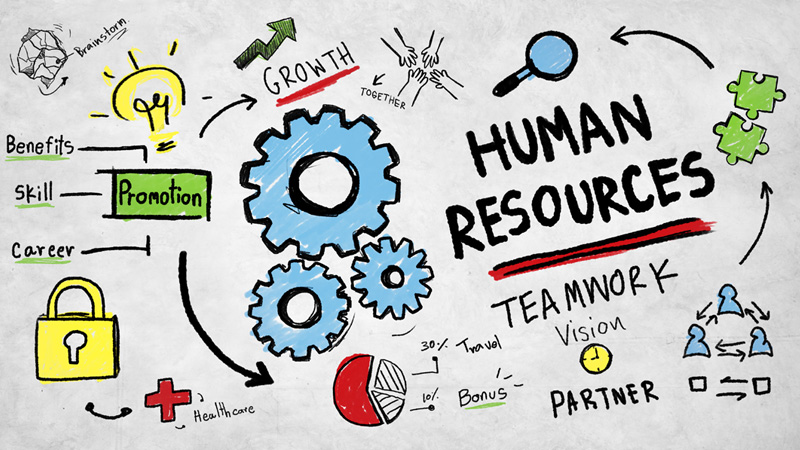
The field of Human Resources shapes how organizations hire, develop, support, and retain their workforce. As businesses evolve, Human Resources has shifted from basic administrative functions to a strategic discipline that influences employee well-being, company culture, long term planning, and organizational performance. Today, Human Resources plays a central role in creating environments where people can thrive, which directly impacts productivity, innovation, and operational success.
What Human Resources Represents in the Modern Workplace
Human Resources is responsible for managing the employee life cycle, supporting workplace policies, and building sustainable systems that align employee needs with organizational goals. From recruitment to retirement, Human Resources ensures stability, fairness, legal compliance, and long term workforce development.
The Foundation of an Effective HR System
A strong Human Resources structure integrates people management with organizational strategy.
Core elements include:
- Recruiting skilled individuals
- Establishing fair compensation systems
- Providing training and development
- Supporting employee health and well-being
- Maintaining legal and ethical compliance
- Handling conflicts or performance issues
- Strengthening internal communication
These components work together to create a stable workforce and help organizations function smoothly.
Recruitment and Talent Acquisition
Recruitment is one of the most visible roles within Human Resources. Effective recruitment ensures the organization attracts high quality candidates while supporting diversity, long term growth, and cultural alignment.
Crafting Accurate Job Descriptions
Clear job descriptions help candidates understand expectations and responsibilities. They also help hiring managers identify essential skills, assess qualifications, and evaluate applicants consistently.
Strategic Hiring Practices
Recruitment strategies must reflect organizational goals.
Key practices include:
- Using data driven approaches to identify skill gaps
- Creating structured interview processes
- Assessing both technical and interpersonal skills
- Ensuring fairness and equal opportunity
- Maintaining strong employer branding
Strategic hiring reduces turnover and helps organizations find employees who contribute meaningfully to long term success.
Employee Onboarding and Early Development
Onboarding sets the tone for an employee’s entire experience. Human Resources designs onboarding programs that promote confidence, clarity, and connection.
Elements of Effective Onboarding
Successful onboarding includes:
- Introducing new employees to company values
- Providing clear role expectations
- Assigning mentors or training partners
- Offering early feedback and support
- Facilitating technology or system training
A thoughtful onboarding process reduces early confusion and improves long term retention.
Performance Management and Growth
Human Resources supports systems that evaluate employee performance, strengthen skill development, and encourage continuous improvement.
Setting Clear Expectations
Employees perform at their best when expectations are clear and achievable. HR helps managers define responsibilities, outline goals, and establish measurable performance indicators.
Performance Reviews
Performance evaluations are not only about identifying weaknesses. They help recognize achievements, set future goals, and establish support plans for growth.
Strong performance review systems include:
- Regular check ins
- Constructive feedback
- Two way communication
- Personalized development plans
A fair and transparent evaluation system builds trust and encourages professional growth.
Employee Training and Development
Creating opportunities for learning strengthens retention and enhances productivity. Human Resources often leads professional development initiatives that improve individual and team capabilities.
Skill Building Programs
Training programs may include:
- Technical skills training
- Leadership development
- Soft skills workshops
- Compliance courses
- Cross departmental learning opportunities
These programs allow employees to expand career options and contribute more effectively to organizational goals.
Long Term Development Paths
Career growth requires clear pathways. Human Resources works with managers to support promotions, role changes, and internal mobility. Providing long term development encourages employees to stay invested in the organization.
Compensation and Benefits
Compensation and benefits influence job satisfaction and play a major role in attracting and keeping talent.
Building Competitive Compensation Structures
Human Resources analyzes industry trends, salary benchmarks, and internal pay equity to create competitive and fair compensation.
Key components may include:
- Base salaries
- Performance incentives
- Annual adjustments
- Skill based compensation
A fair pay system builds morale and reduces turnover.
Providing Benefits That Support Well-Being
Benefits extend beyond health insurance. Strong benefits programs often include:
- Retirement savings plans
- Paid time off
- Parental leave
- Mental health resources
- Flexible work arrangements
- Wellness programs
These offerings strengthen job satisfaction and contribute to healthier, more productive employees.
Employee Relations and Conflict Resolution
Human Resources plays a central role in maintaining positive relationships between employees and management. Effective conflict resolution supports workplace harmony and prevents minor issues from escalating.
Managing Workplace Conflicts
HR professionals use communication techniques, mediation strategies, and policy guidance to navigate conflicts.
Effective approaches include:
- Listening to all parties equally
- Investigating concerns fairly
- Applying policies consistently
- Encouraging constructive dialogue
- Providing solutions that align with organizational values
This ensures fairness while protecting organizational integrity.
Strengthening Company Culture
Culture influences everything from productivity to morale. HR helps shape culture by promoting values, encouraging collaboration, and supporting inclusive practices.
Legal Compliance and Workplace Safety
Human Resources ensures organizations comply with labor laws, workplace regulations, and safety standards. Failure to meet these requirements can lead to legal penalties and employee dissatisfaction.
Employment Law Compliance
Human Resources must stay updated with regulations that impact hiring, compensation, discrimination, privacy, and workplace behavior.
Key responsibilities include:
- Maintaining accurate employee records
- Ensuring fair employment practices
- Managing leave policies
- Updating policies according to legal changes
Compliance builds trust and reduces legal risks.
Workplace Health and Safety
HR also supports safety programs that protect employees. This includes emergency planning, accident reporting, training on safety procedures, and creating environments that minimize risk.
HR Technology and Data Management
Technology has transformed Human Resources by improving efficiency, data analysis, and strategic planning. Modern HR systems manage everything from payroll to performance tracking.
Data Driven Decision Making
HR analytics allow organizations to:
- Monitor turnover rates
- Evaluate employee satisfaction
- Identify training effectiveness
- Track performance trends
- Predict staffing needs
Using data helps organizations plan more effectively and make informed operational decisions.
HR Software and Digital Tools
Digital platforms streamline processes like:
- Applicant tracking
- Payroll
- Benefits enrollment
- Training programs
- Time and attendance
Technology frees HR professionals to focus on strategic initiatives rather than repetitive tasks.
Employee Engagement and Retention
Engaged employees are more productive, more loyal, and more likely to stay with the organization long term. Human Resources develops strategies that foster engagement and reduce turnover.
Engagement Initiatives
Common strategies include:
- Recognition programs
- Team building events
- Feedback surveys
- Wellness challenges
- Leadership involvement
- Volunteer opportunities
These initiatives help employees feel valued, connected, and motivated.
Understanding Turnover
When employees leave, HR analyzes patterns to identify the causes. Improving communication, adjusting workloads, and addressing cultural concerns helps reduce turnover and support long term workforce stability.
The Future of Human Resources
Human Resources continues to evolve with societal trends, workforce expectations, and technological advancements.
Remote and Hybrid Work
HR must navigate new norms such as hybrid schedules, remote onboarding, virtual communication, and digital culture building. These changes require flexibility and careful planning.
Focus on Mental Health
Workplaces increasingly prioritize mental health. HR teams support employees through counseling access, stress reduction initiatives, and improved work life balance practices.
Diversity and Inclusion
Inclusive workplaces support innovation and long term organizational health. HR leads initiatives that promote fairness, representation, and equitable opportunities.
FAQ
How does Human Resources help employees feel more supported at work?
Human Resources supports employees through open communication channels, conflict resolution assistance, training programs, clear expectations, and wellness initiatives. These efforts build trust and stability in the workplace.
What makes a compensation system fair and effective?
A fair system includes competitive salaries, transparent pay structures, performance based incentives, and internal pay consistency. HR uses data to ensure compensation aligns with market standards.
Why is onboarding so important for new employees?
Onboarding helps new employees understand their role, build confidence, develop skills, and feel connected to the organization. A strong onboarding process improves long term retention and job satisfaction.
How does HR support workplace culture?
HR shapes culture by promoting organizational values, encouraging positive behavior, offering recognition programs, and creating opportunities for team collaboration. Culture grows stronger when HR supports consistent communication and respectful interactions.
What role does training play in employee success?
Training increases skill levels, strengthens confidence, and prepares employees for future opportunities. It also supports innovation and ensures the organization remains competitive.
