
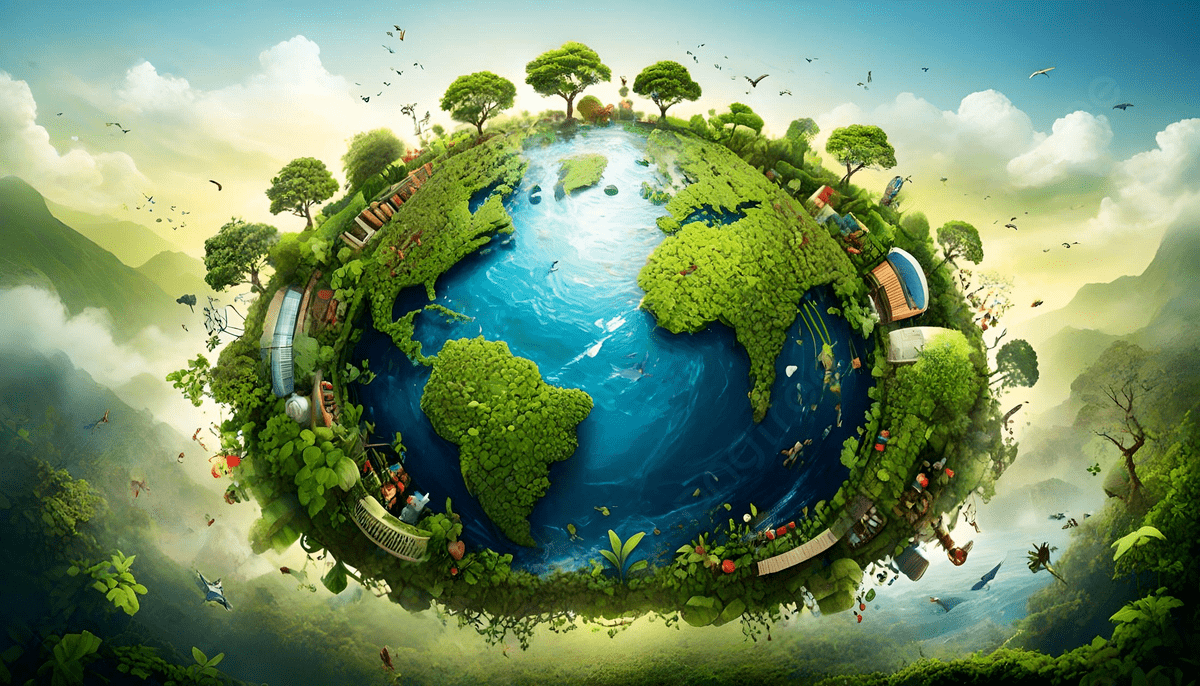
The Environment shapes every aspect of human existence, influencing our health, economy, culture, and long-term survival. Modern life depends on stable natural systems, and recognizing how these systems function is the first step toward protecting them. As conversations about sustainability grow, the concept of a resilient Environment becomes even more important in policy, science, and daily decision making.
What Defines the Environment
The environment consists of all living and nonliving elements around us. It includes air, water, soil, climate patterns, organisms, and the interactions among them. While many people view it only in terms of pollution or conservation, it is actually an interconnected framework that determines how societies grow and how ecosystems evolve. Understanding this framework requires exploring its components on a deeper level.
Natural Systems and Their Interdependence
Natural systems do not operate in isolation. Air circulation influences climate, climate affects the distribution of plant species, water availability controls animal populations, and soil conditions shape agriculture. Human activity intertwines with these systems through farming, construction, transportation, and energy use.
Key interconnected systems include:
- Atmosphere which regulates temperature and filters harmful radiation
- Hydrosphere which supports drinking water supplies, marine life, and global weather cycles
- Biosphere which contains all living organisms and supports food chains
- Lithosphere which provides minerals, soils, and geological foundations for ecosystems
Interdependence means that stress in one system often produces reactions in others. For example, rising temperatures reduce snowpack, which lowers river levels and impacts farming and hydroelectric energy. These chain reactions illustrate why environmental protection requires a systems-based approach.
Climate and Its Influence on Daily Life
Climate is one of the most influential environmental factors. It determines growing seasons, water availability, disease patterns, and the distribution of natural resources. As climate patterns shift, communities face new challenges involving public health, economic stability, and infrastructure.
How Climate Patterns Are Changing
Long term temperature increases and shifting precipitation patterns are reshaping landscapes. Heat waves last longer, droughts occur more often, and storms grow stronger. These changes disrupt ecosystems and create difficult conditions for agriculture, energy production, and urban development.
Human-caused emissions accelerate these trends by adding gases that trap heat. As temperatures climb, some regions experience rising sea levels, which threaten coastal homes and freshwater sources. Even inland areas feel the effects as weather systems become less predictable.
Community Impacts
Real world consequences of climate shifts include:
- More severe wildfire seasons in dry regions
- Coastal flooding that damages homes and public utilities
- Declining crop yields due to altered rainfall
- Increased demand for cooling systems that strain electrical grids
Communities with fewer resources often face the most challenges, highlighting the need for equitable planning and resilience strategies.
Water as a Foundation for Life
Water supports every biological and industrial process. Healthy rivers, lakes, groundwater, and oceans ensure food production, sanitation, transportation, and manufacturing. When water systems become stressed, the social and economic impacts are immediate.
Water Quality and Public Health
Clean water prevents disease, supports agriculture, and maintains natural habitats. However, pollution from urban runoff, chemical facilities, and aging infrastructure can introduce contaminants. Addressing water quality requires monitoring at multiple levels, sustainable waste management, and investment in safe treatment systems.
Freshwater Availability
As populations grow, freshwater demand increases. Regions with limited rainfall face the challenge of meeting household, industrial, and agricultural needs with shrinking resources. Efficient irrigation, water recycling, and robust storage systems can help reduce vulnerability to shortages.
Biodiversity and the Web of Life
Biodiversity refers to the wide variety of living organisms and the ecosystems they form. High biodiversity strengthens resilience because ecosystems with a diverse set of species respond better to change.
Why Biodiversity Matters
Biodiversity performs essential functions such as:
- Pollinating crops
- Maintaining soil fertility
- Regulating climate
- Providing genetic resources for medicine and agriculture
When biodiversity shrinks, ecosystems lose stability. Invasive species often spread faster, pests become harder to control, and natural habitats decline in quality.
Threats to Biodiversity
Major threats include habitat loss, pollution, climate shifts, and overuse of natural resources. Addressing these issues requires landscape-level planning, responsible land use, and the restoration of damaged areas.
Air Quality and Human Health
Clean air is essential for respiratory health and overall well-being. Air quality varies by region, but both urban and rural areas face challenges driven by transportation, industry, agriculture, and natural events.
Sources of Air Pollution
Common pollutants include particulate matter, nitrogen oxides, ozone, and volatile compounds. These pollutants originate from:
- Vehicle emissions
- Industrial operations
- Wildfires and dust storms
- Chemical use in agricultural fields
Chronic exposure increases the risk of heart disease, asthma, and other health concerns. Effective air management requires a combination of cleaner transportation options, updated industrial practices, and real time monitoring.
Land Use and Sustainable Development
Land is a finite resource that must support housing, farming, conservation, and economic activity. How land is used determines soil health, water availability, wildlife habitat, and community quality of life.
Urban Development and Green Spaces
Growing cities often replace natural areas with buildings and roads. Maintaining parks, green roofs, and urban forests helps reduce heat, manage stormwater, and improve air quality. These areas also support mental health by giving residents access to nature.
Agriculture and Soil Health
Healthy soil is the backbone of food production. Over time, erosion, excessive fertilizer use, and poor farming practices can damage soil structure. Regenerative techniques like crop rotation, reduced tilling, and organic matter restoration help preserve long term productivity.
Energy Use and Environmental Impact
Energy production affects air quality, water consumption, and land use. Balancing energy needs with environmental responsibility is one of the most complex challenges of modern society.
Shifting Energy Landscapes
Many regions are updating energy systems to include cleaner sources that reduce pollution. Improved technologies support more efficient power generation, while advances in storage help stabilize energy supply. The goal is to meet demand without straining natural systems.
Transportation and Emissions
Transportation remains a significant source of environmental impact. Expanding public transit, encouraging carpooling, and developing cleaner engines help reduce emissions. Communities benefit through improved air quality and reduced noise pollution.
Waste, Pollution, and Resource Management
Everyday consumer habits produce waste that must be collected, processed, or reused. Effective waste management protects water, air, and soil, while also conserving raw materials.
Types of Waste
Modern waste streams include plastics, food scraps, electronic components, and industrial byproducts. Each requires specialized management. Recycling programs help reduce landfill pressure, while composting turns organic waste into soil nutrients.
Pollution Prevention
Reducing pollution begins with minimizing waste at the source. Thoughtful packaging, durable products, and repairable goods lead to fewer discarded materials. Communities that promote responsible consumption see reduced environmental strain and lower cleanup costs.
Building a More Resilient Future
Environmental resilience depends on long term planning and strong community involvement. Every level of society plays a role in shaping a sustainable future.
Policy and Innovation
Regulations help guide responsible land use, water protection, and emissions standards. Innovation contributes new tools for monitoring environmental changes and reducing their impact. Collaboration among scientists, engineers, and policymakers helps create practical solutions.
Community Action
Local involvement strengthens environmental efforts. Neighborhood groups, schools, and individuals contribute by supporting restoration projects, reducing waste, and staying informed about environmental challenges. These actions build a culture of stewardship.
FAQ
How can everyday routines support environmental health?
Simple choices such as conserving water, reducing waste, maintaining household energy efficiency, and buying longer lasting products can lower the strain on natural systems. When done consistently, these habits help support cleaner air, healthier ecosystems, and more stable communities.
What factors most influence air quality in residential areas?
Major influences include traffic volume, nearby industrial activity, local weather patterns, and the presence of green spaces. Areas with tree cover often experience improved air filtration, while regions with heavy traffic tend to show higher concentrations of pollutants.
Why is soil health important for more than just farming?
Healthy soil stores carbon, regulates water flow, supports biodiversity, and prevents erosion. Even communities far from agricultural regions rely on stable soil systems to protect waterways and maintain natural landscapes.
How does climate affect water supplies?
Climate influences rainfall distribution, evaporation rates, snowpack levels, and river flow patterns. When climate conditions shift, water supplies can become unpredictable, leading to shortages, changes in reservoir levels, and stress on agricultural irrigation.
What role does technology play in environmental protection?
Technology helps monitor environmental changes, improve energy efficiency, reduce industrial emissions, and support smarter resource management. Advances in data analysis, water treatment, and material recycling are especially useful for reducing long term environmental impact.
