
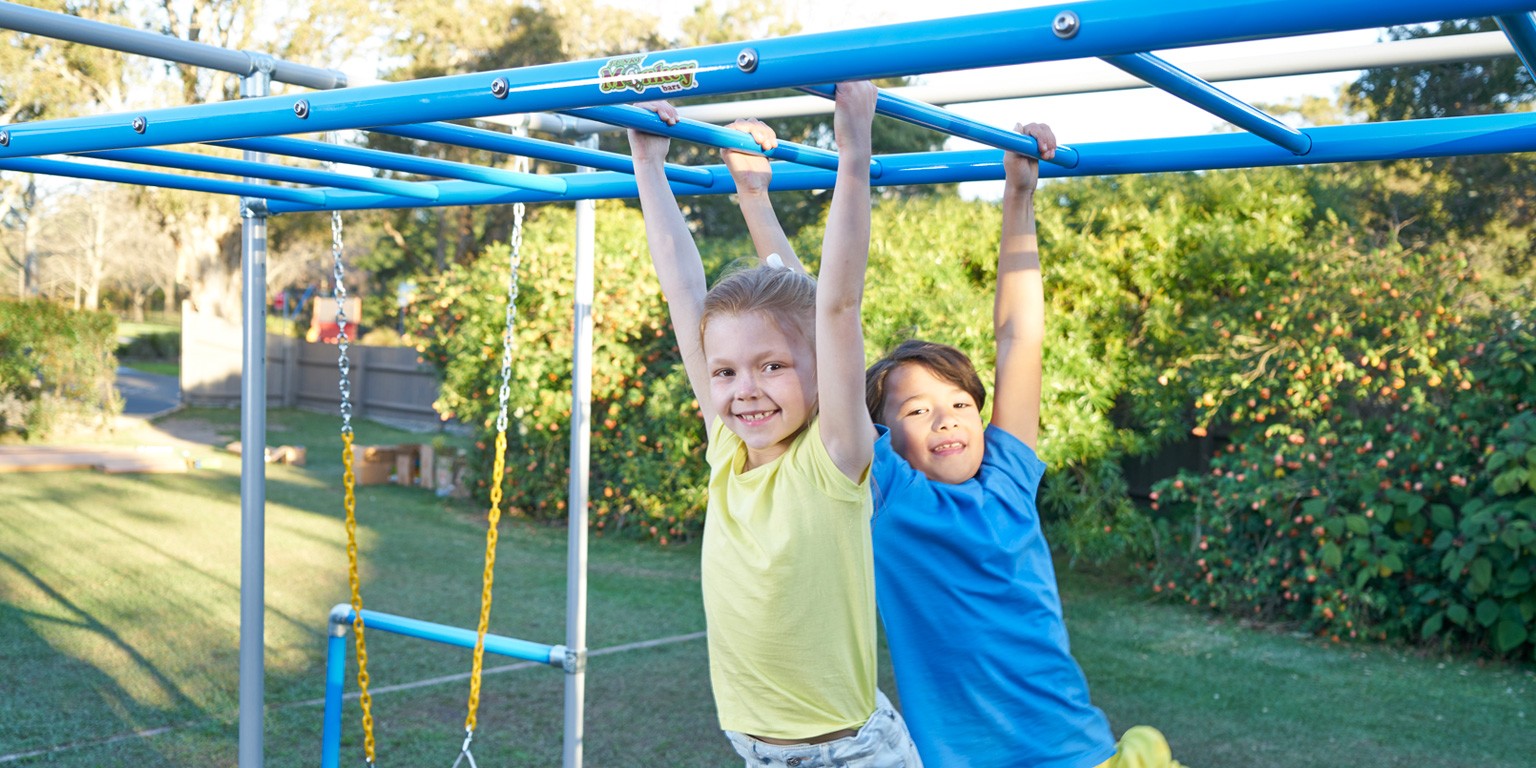
A lot of families want a backyard that gets used more, but many outdoor spaces end up serving only one purpose at a time. Some are set up mainly for adults and entertaining, while others are built around children’s play and become harder to use for anything else. The best family backyards usually sit somewhere in the middle. They support play, movement, and everyday family routines without feeling crowded or over-designed.
That balance matters more than people expect. A backyard that works well for real life does not just look good on weekends. It becomes part of the weekly rhythm. Children use it after school, parents find it easier to encourage outdoor time, and the whole space feels more useful instead of being saved for occasional gatherings only. When planning this kind of setup, some families also look at options from Funky Monkey Bars while researching ways to include active play within a broader backyard layout.
Start With How Your Family Actually Uses Time at Home
One of the biggest mistakes in backyard planning is designing for an ideal lifestyle instead of your real one. It is easy to imagine slow afternoons, long outdoor meals, and children happily playing for hours every day. Real life is often more mixed than that. School schedules, work routines, weather, chores, and energy levels all affect how often the backyard gets used and what it needs to do.
A better starting point is to ask simple practical questions. When do your children usually have energy for outdoor play. Is it before school, after school, or on weekends. Do adults want a place to sit nearby while supervising, or do they usually step in and out while handling other tasks. Does the yard need to support quick ten-minute play sessions, or longer periods of outdoor time.
Once you understand those patterns, the design decisions become much easier. You stop trying to create a perfect all-day outdoor lifestyle and start building a space that supports the moments your family actually has.
Think in Zones, Not Just Features
Families often plan a backyard by choosing features one by one. A play item, a seating set, a patch of lawn, a garden bed. The problem is that these elements can feel disconnected if they are not placed with movement and use in mind. The backyard may have everything, but still feel awkward to use.
Thinking in zones helps solve that. A family-friendly backyard often works best when there is a clear sense of where active play happens, where calmer activities happen, and where adults can sit or move comfortably. These zones do not need to be large or formally marked. They just need to make sense.
For example, a play zone works better when children can move freely without crossing through a dining setup every few minutes. A seating zone works better when adults can still see the play area without constantly changing position. A flexible open zone can be useful for games, scooters, or simple running space even if it looks plain.
This approach usually makes the backyard feel calmer because everyone has room to use it without getting in each other’s way.
Design for Movement, Not Just Occupation
A lot of outdoor planning focuses on keeping children occupied, but movement is often the real goal. Children do not just need something to do, they need opportunities to climb, balance, run, hang, jump, and use their energy in different ways. When a backyard supports movement, it tends to get used more naturally.
This does not mean every yard needs large equipment or a complete play overhaul. It means the layout should encourage motion. If children can move through the space easily, switch between activities, and use their bodies in varied ways, they are more likely to stay engaged.
Movement-friendly design also helps reduce the stop-start pattern that sometimes makes outdoor play harder. When children have to wait for setup, ask for help constantly, or work around furniture placement, they may drift back indoors quickly. A backyard that supports easy movement lowers that friction and makes outdoor time more appealing.
Make Supervision Comfortable, Not Just Possible
Parents are much more likely to encourage backyard time when supervision feels easy. Many outdoor spaces technically allow supervision, but not comfortably. Adults end up standing in the sun, sitting too far away, or moving furniture around to get a better view. That tends to reduce how often the space is used, especially on busy weekdays.
A practical family backyard usually includes at least one comfortable spot where an adult can sit, keep an eye on children, and still feel relaxed. This matters even more if the outdoor space is used in short bursts. If the setup is easy, parents are more likely to say yes to “Can we play outside for a bit?” because it does not turn into a complicated effort.
Comfort also affects how long families stay outside. A backyard that works for both children and adults tends to support more shared time, not just child-only play or adult-only use.
Plan for Changing Ages and Changing Interests
Children do not use outdoor space the same way for long. What feels exciting at one age may be ignored two years later. This is one reason some backyard upgrades lose value quickly. They were designed for a moment, not for the way family life changes.
A better approach is to build in flexibility. Think about how the space can adapt as children grow, become more confident, or develop different interests. Younger children may need simpler play and closer supervision. Older children often want more challenge, independence, and room to invent their own games.
Even if you cannot plan for every future stage, you can avoid locking the yard into one very specific use. Flexible layouts tend to last longer because they can be adjusted over time without starting again from scratch.
This also helps families make better spending decisions. They are less likely to chase short-lived trends and more likely to invest in features and layouts that remain useful across different stages of childhood.
Shade, Surfaces, and Access Often Matter More Than People Expect
When families picture a better backyard, they often think first about play features or furniture. Those matter, but practical details like shade, surfaces, and access usually have a bigger effect on how often the space gets used.
If the yard is too hot in the afternoon, children may not want to stay outside for long. If surfaces feel awkward underfoot or become messy quickly, parents may avoid using the space during busy days. If getting from inside to outside feels inconvenient, even a good setup can be underused.
These details are not the most exciting part of backyard planning, but they are often the reason a space works well week after week. Families usually appreciate them most after the project is done, when the yard feels easier to manage than before.
A practical outdoor space is not only about what is added. It is also about removing the small barriers that stop people from using it.
Family Time Works Better When the Backyard Supports Multiple Speeds
One reason shared outdoor time can feel difficult is that family members often want different things at the same time. Children may want active play, while adults want a calmer moment. One child may want movement, while another wants quieter play. If the backyard only supports one speed, someone usually ends up frustrated.
A more effective setup allows different kinds of use to happen side by side. Active play can happen in one area while another part of the yard supports sitting, talking, or light supervision. This does not require a huge space. It just requires planning with multiple uses in mind.
When a backyard supports different speeds of activity, family time becomes easier to sustain. Adults are less likely to feel like they have to choose between supervising and relaxing. Children are less likely to feel pushed toward one type of play. The whole space feels more usable because it reflects how families actually behave, which is rarely all one thing at once.
Avoid the “Weekend Showpiece” Trap
Some backyards look excellent but do not improve daily life. They work well for photos or occasional gatherings, yet they do little to support weekday routines. Families often end up with a space that feels impressive but underused.
This usually happens when design decisions are made around appearance first and real use later. There is nothing wrong with wanting a good-looking backyard, but the strongest results come when function leads and style supports it.
A useful test is to ask whether the space will be easy to use on an ordinary Tuesday. Can children go outside without a lot of setup. Can an adult supervise comfortably for a short time. Can the yard be used even when everyone is tired. If the answer is yes, the design is probably working.
Backyards that pass this test tend to create more movement, more outdoor time, and better family habits over the long term.
Small Routine Changes Help the Space Come to Life
Even a well-designed backyard may need a little time before it becomes part of the household routine. Families often get the best results when they pair the physical upgrade with a few small habit changes.
This does not need to be strict. It can be as simple as encouraging outdoor time before screens on certain days, using the backyard as a transition after school, or setting up a regular weekend window for free play. The point is to make the space familiar and easy to use, not something that only gets attention during special occasions.
Once the backyard becomes part of the routine, children usually begin using it more creatively on their own. Parents often notice that they need to prompt less because the environment already supports the behaviour they want.
That is when a backyard upgrade starts delivering real value. It stops feeling like a project and starts feeling like part of everyday family life.
A Better Backyard Is One That Gets Used Regularly
The most successful family backyards are not always the biggest or the most expensive. They are the ones that fit the household. They support movement, allow family time, and make it easier for people to spend time outside without needing everything to be perfect.
When planning a backyard for play, movement, and family use, it helps to think less about creating a showpiece and more about creating a flexible, everyday space. If the layout supports real routines and changing needs, the yard is far more likely to stay useful over time.
That is what makes an outdoor upgrade worthwhile. Not just how it looks when finished, but how often it helps your family step outside and actually use it.
FAQ
What is the first step in planning a family-friendly backyard?
Start by looking at your real routines. Think about when children play outside, how adults supervise, and what the yard needs to support on ordinary weekdays, not just weekends.
Do I need a large backyard to create separate zones?
No. Even smaller yards can work well with simple zoning. The goal is not size, it is making the space feel clear and practical for different uses.
How do I balance active play with adult use of the backyard?
Plan for both from the start. Include a comfortable supervision area and make sure active play has enough room without taking over the whole yard.
Why do some backyard upgrades stop getting used?
Often because they do not fit daily routines. Features that require too much setup or only suit one stage of childhood can become underused over time.
How can I encourage kids to use the backyard more consistently?
Make the space easy to access and pair it with small routine habits, such as outdoor time after school or before screens. Consistency usually works better than pressure.
