
13
Homeowners often spend weeks scrutinizing paint chips, evaluating undertones under shifting daylight, and testing sample pots on primed drywall. Yet, after choosing the exact shade, they often treat the finish as an afterthought at the paint counter. Selecting the wrong sheen can turn a designer color into an everyday maintenance headache or expose drywall flaws you never knew existed.
Paint sheen is fundamentally a matter of chemistry. Every can of paint contains pigments, which provide color, and resin binders, which hold those pigments together. Finishes with a higher concentration of resin binders dry to a tighter, smoother film that reflects light and resists moisture, oil, and abrasion. Conversely, finishes with a higher pigment-to-binder ratio dry to a slightly porous, irregular surface that scatters light in all directions, hiding wall imperfections while sacrificing scrub resistance.
Finding the ideal sheen requires balancing two opposing priorities: light refraction and durability. By understanding how each finish behaves across the spectrum and mapping those characteristics to the daily demands of specific rooms, you can make choices that enhance both the look and the longevity of your home.
Understanding the Sheen Spectrum from Flat to High-Gloss
Paint sheens exist on a continuum measured by light reflectance value at specific angles. While proprietary formulas vary slightly across paint manufacturers, five standard categories define the industry.
Flat and Matte Finishes
Flat paint contains virtually no sheen, reflecting less than five percent of incoming light. Matte finishes sit right beside flat, offering an imperceptible sheen of five to ten percent that provides a touch more washability without looking reflective.
Because flat and matte paints absorb rather than bounce light, they give colors a velvety, non-reflective richness. Their uneven microscopic surface scatters light evenly across the wall, making them unmatched at disguising minor dings, rough patches, uneven drywall joints, and old plaster ripples. However, traditional flat paint is porous. Scrubbing a soiled spot can remove the paint film or cause burnishing, which leaves a permanent shiny patch on the wall. While newer ceramic-infused matte paints offer improved scrub resistance, standard flat paints remain best suited for low-contact surfaces.
Eggshell Finish
As the name suggests, eggshell mimics the soft, low-luster surface of an unpolished egg. It typically registers between ten and twenty-five percent reflectivity.
Eggshell is the industry standard for general interior wall surfaces for good reason. It provides enough light diffusion to camouflage minor framing inconsistencies while introducing just enough resin to create a cleanable barrier against dust, handprints, and light scuffs. It does not look glossy under direct lighting, maintaining a calm, sophisticated appearance in both bright and shaded rooms.
Satin Finish
Satin represents the midpoint of the sheen spectrum, registering between twenty-five and thirty-five percent reflectivity. It possesses a distinct, pearl-like luster that feels smooth and silky to the touch.
The added resin in satin paint creates a tighter, less porous seal than eggshell. This makes it far more resistant to moisture, humidity, and frequent scrubbing. However, because satin bounces a notable amount of directional light, it highlights uneven taping seams, textured roller stippling, and wall dents. Proper surface preparation and even application become significantly more important when working with satin.
Semi-Gloss Finish
Semi-Gloss produces a noticeable, radiant shine with thirty-five to seventy percent reflectivity. It creates a sleek, glass-like finish that repels water, resists grease, and stands up to aggressive cleaning with household detergents.
Because of its high shine, semi-gloss accentuates every imperfection underneath. Dents, scratches, and nail pops will cast hard miniature shadows under overhead light. As a result, semi-gloss is rarely used on expansive wall spans; instead, it is reserved for architectural accents, high-moisture zones, and structural surfaces that receive daily physical abuse.
High-Gloss Finish
High-gloss is the most reflective and durable finish available, often exceeding seventy to eighty percent gloss. It dries to an ultra-hard, enamel-like surface that looks almost like lacquered glass.
High-gloss resists stains, dirt, and moisture better than any other sheen, but it is also the least forgiving. Every microscopic brush stroke, roller texture, or drywall crater is magnified tenfold under ambient light. Achieving a flawless high-gloss finish requires intensive surface preparation, thorough sanding between coats, and skilled application. When executed correctly, however, it delivers remarkable architectural presence.
Room-by-Room Sheen Recommendations
Matching a sheen to a specific room is not just an aesthetic choice; it is a structural decision dictated by how a space functions and how light moves through it.
Living Rooms and Family Rooms: Eggshell or Matte
Living spaces are designed for relaxation, conversation, and visual warmth. These rooms often feature large picture windows, architectural accent lighting, and long stretches of drywall.
Eggshell is almost always the safest and most practical choice for primary living areas. It easily withstands occasional vacuum bumps, sofa contact, and wandering hands without casting distracting glare across television screens or reading nooks.
If your home features older plaster walls or uneven drywall, a high-grade washable matte is an excellent alternative. It gives deep neutral colors, rich navies, and warm earth tones an enveloping, museum-like finish while quietly concealing wall flaws.
Bedrooms and Nurseries: Matte to Satin
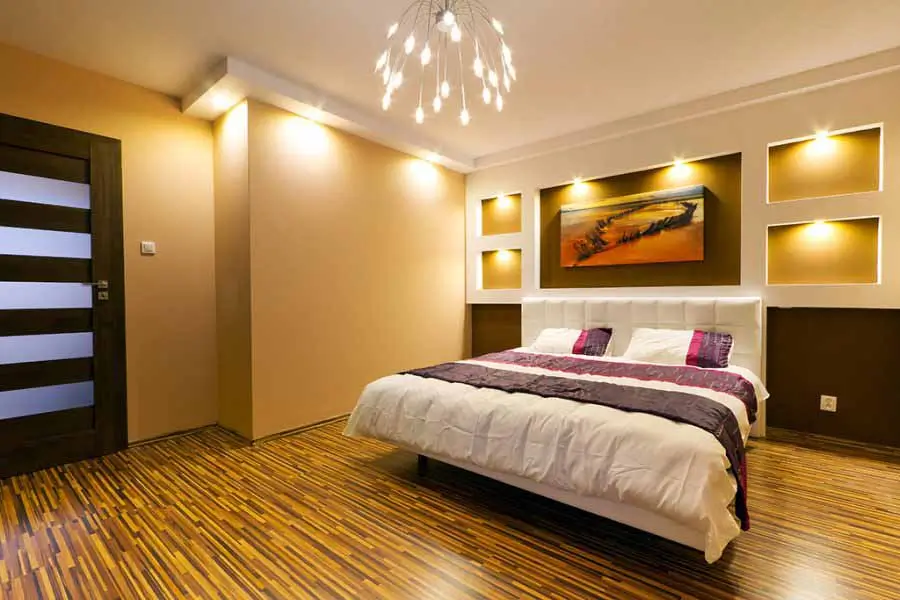
Adult bedrooms experience minimal foot traffic and virtually no exposure to moisture or kitchen grease. Here, visual comfort takes priority over heavy-duty washability. Matte and flat finishes excel in master and guest bedrooms, creating a serene, cocoon-like ambiance that softens artificial bedside light.
Nurseries and children’s bedrooms require a different approach. As toddlers explore with crayons, markers, and sticky fingers, walls must endure regular damp-sponge wipe-downs. For children’s spaces, eggshell or satin provides the necessary moisture barrier and scrub resistance to keep walls clean without requiring a full repaint after every mess.
Kitchens and Bathrooms: Satin or Semi-Gloss
Kitchens and bathrooms present unique environmental challenges: high humidity, airborne grease, soap scum, and rapid temperature swings. A standard flat or eggshell finish in these rooms will quickly absorb moisture, leading to water stains, surface mold, and peeling paint films.
For bathroom and kitchen walls, satin is the preferred modern standard. It provides a dense, cleanable surface that sheds shower steam, withstands grease splatters behind stoves, and resists mildew inhibitors, all without the institutional, overly reflective look of older enamel paints.
If a half-bath lacks a shower or bath, you can comfortably drop down to eggshell. Conversely, in compact bathrooms with poor ventilation or high-condensation shower zones, stepping up to semi-gloss on the walls and ceiling provides maximum protection against moisture intrusion.
Hallways, Mudrooms, and Foyers: Satin or Durable Eggshell
Entryways and connecting corridors act as the highway network of the home. They endure scraping backpacks, wet raincoats, leaning umbrellas, and brushing shoulders.
To withstand this continuous friction, lean toward satin. Satin provides a non-porous exterior that allows you to scrub away shoe scuffs, pet smudges, and dirt trails with a damp microfiber cloth and mild soap without marring the paint. If you find satin too reflective for a long hallway with recessed downlights, opt for a premium, heavy-duty eggshell specifically formulated for scrub resistance.
Doors, Baseboards, and Interior Millwork: Semi-Gloss
Trim work, baseboards, window casings, and interior doors experience more physical abuse than any other painted surfaces in a house. Baseboards take direct hits from vacuum cleaners and brooms; door jambs receive constant fingertip contact; and window sills collect condensation and dust.
Semi-gloss is the undisputed champion for trim and millwork. Its slick, durable surface sheds dust and resists chipping, while the slight contrast in sheen between semi-gloss trim and eggshell walls creates crisp architectural definition that frames a room beautifully. For a striking, dramatic modern look, some designers use high-gloss on front doors, custom architectural millwork, or library bookcases, but ensure the substrate is sanded smooth before application.
Ceilings: Dedicated Flat
Unless you are intentionally aiming for an avant-garde design statement, ceilings should always be painted in a dedicated dead-flat paint.
Ceilings receive dramatic raking light from windows and overhead light fixtures. Any finish with even a trace of sheen—including eggshell—will reveal taped drywall joints, joist sagging, roller lap marks, and ceiling patch repairs. Flat ceiling paint absorbs ambient light, preventing unwanted glare and allowing the eye to focus entirely on the architectural details and wall colors below.
Key Factors That Shift the Rules
While room-by-room recommendations provide a solid baseline, several environmental variables should influence your final decision before you purchase your paint.
Evaluating Wall Condition and Substrate
The physical condition of your walls must temper your sheen choices. If you live in a new build with Level 5 smooth drywall, you have the freedom to use satin or gloss on walls without worrying about surface flaws.
However, if you live in a historic home with wavy lath-and-plaster, or an older home with textured drywall patches, high sheens will make those imperfections stand out. In these spaces, step down one sheen level—choosing matte over eggshell, or eggshell over satin—to keep focus away from underlying irregularities.
Light Source and Direction
The way light enters a room changes how a sheen behaves throughout the day:
-
Raking daylight: Rooms with large windows that run parallel to a long wall create severe raking light across the drywall surface. High sheens will catch this light and reveal minor surface texture variations.
-
Recessed downlights: High-intensity ceiling spotlights pointed directly at satin or semi-gloss walls create bright, uncomfortable hotspots of glare.
-
North-facing rooms: Spaces with low, cool natural light benefit from the gentle light bounce of an eggshell or satin finish, which helps circulate limited daylight without appearing washed out.
Color Depth and Saturation
Paint sheen also changes how the human eye registers color depth. High-gloss finishes reflect ambient light off the surface, which can wash out dark hues under bright light. At the same time, the increased resin binder deepens the perception of pigment, making colors appear richer when viewed out of direct glare.
Matte finishes, on the other hand, absorb light, giving deep charcoals, forest greens, and dark blues an understated, velvety presence. If you choose a dramatic, moody paint color for a dining room or study, a flat or matte finish will yield an intimate, sophisticated look that high sheens cannot replicate.
Maintenance and Touch-Up Feasibility
Consider how easily you want to handle future repairs. Minor dings and nail holes inevitably occur in busy households.
Touching up a wall painted in flat or matte finish is straightforward; fresh paint blends into the existing low-luster surface almost invisibly. With satin, semi-gloss, or high-gloss, spot repairs are notoriously difficult. The fresh paint creates a visible halo or sheen flashing over the repaired area, forcing you to repaint the entire wall from corner to corner to restore a uniform appearance.
Selecting the right paint sheen is ultimately about finding harmony between the architectural realities of your space and the practical rhythms of your home. When you match the finish to the specific demands of each room, your walls will not only look intentional and cohesive—they will stay that way for years to come.
